Comfort, Coffee, and Community in Monument, CO
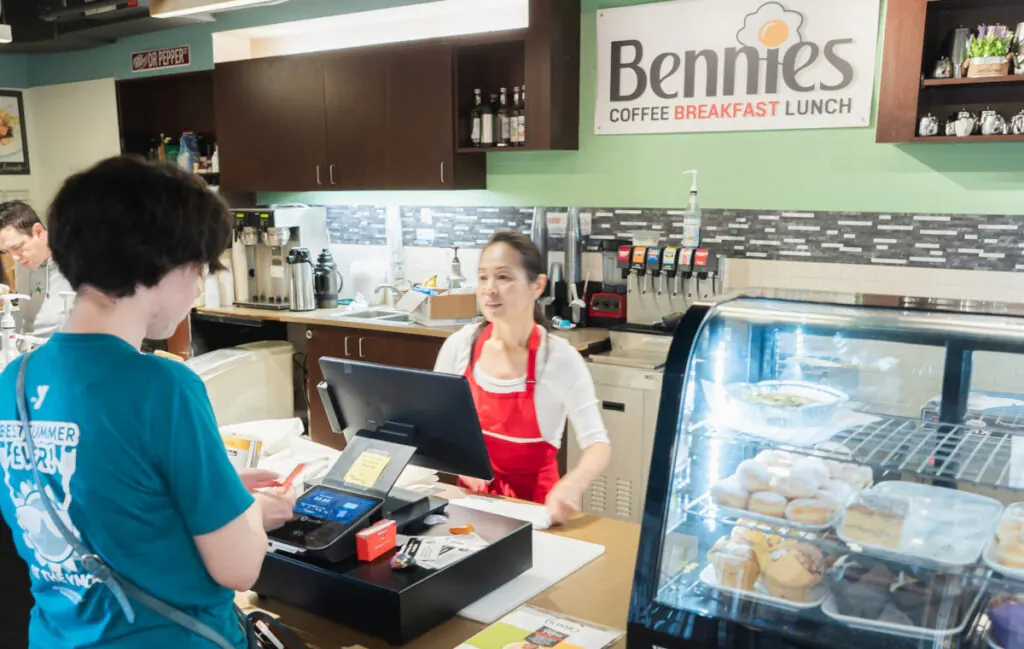
Monument has a way of slowing people down without making life feel small. Set along the Front Range between Colorado Springs and Denver, it carries some of the mountain-town calm that visitors hope for, but it also has the daily rhythm of a real working community. Parents shuttle kids to school, remote workers look for a reliable corner table and strong Wi-Fi, retirees settle in for long conversations, and weekend hikers come in chilled from the trail wanting something hot and restorative. In a town like this, a good café does more than pour coffee. It becomes part shelter, part meeting ground, part unofficial town square.
That role matters more than most business owners admit out loud. Coffee is the obvious draw, but comfort keeps people in their seats, and community gives them a reason to return. When people search for a Cafe Monument, CO, they are usually looking for more than caffeine. They want a place that feels worth their time. They want a room with some warmth in it, staff who notice regulars, and food that suggests somebody cared about the details.
The best cafés in towns like Monument understand this almost instinctively. They build a sense of belonging through a hundred small decisions, from the weight of the mug to the way they handle the morning rush.
What comfort actually means in a café
Comfort is often treated like a vague design idea, something achieved by adding a few upholstered chairs and warm paint. In practice, it is much more specific. Comfort starts with functionality. Can a guest sit for forty minutes without shifting around in a hard chair? Is the music low enough for conversation? Does the room smell like fresh coffee and baked goods, or like sanitizer and overheated milk? Is there enough space between tables that people do not feel they are borrowing someone else’s privacy?
In colder months, especially in a place like Monument where mornings can turn crisp quickly, warmth becomes part of the experience. That does not just mean temperature. It means refuge. A good café in winter should feel like a landing place after a windy walk from the parking lot. You want to thaw out there. The drink in your hand matters, of course, but so does the texture of the room itself. Wood, natural light, blankets over a bench, the sound of milk steaming in the background, these details are easy to dismiss when they are done well, which is exactly why they matter.
I have spent enough time working from cafés in Colorado to know that guests notice operational comfort as much as visual comfort. A line that moves efficiently feels relaxing. A barista who explains a seasonal drink without reciting a script feels reassuring. Even practical things like accessible outlets, clean restrooms, and a sensible pickup area can determine whether a place feels welcoming or frustrating.
In other words, comfort is not decorative. It is operational. The cafés that feel easiest to love usually have owners who understand that hospitality is built through systems, not slogans.
Coffee still has to be good
A warm room can buy a café some grace, but only for so long. At some point the cup has to justify the visit.
In a community setting, excellent coffee does not always mean showy coffee. Monument is not a neighborhood where every customer wants a lecture on processing methods or a tasting note that reads like a winery menu. Some do, certainly, and there is room for that level of craft. But many guests want straightforward quality. They want drip coffee that tastes fresh and balanced, espresso with real body, and milk drinks that are consistent from one visit to the next.
Consistency is harder than people think. It depends on grind adjustments throughout the day, staff training, machine maintenance, milk handling, and disciplined recipes. A cappuccino made properly at 7:15 a.m. During the first wave of commuters should taste just as deliberate at 10:45 when the room is full of laptops and strollers. That kind of steadiness is a sign of professional pride.
The cafés that earn trust in a place like Monument usually strike a smart middle ground. They take coffee seriously, but they do not make customers work for it. There might be a single-origin pour-over on the menu, but there is also a dependable house roast. There may be a seasonal maple latte or mocha that feels a little indulgent, but the sweetness is controlled and the coffee is still present. You leave feeling satisfied rather than sugar-coated.
Food matters here too. A café can live on pastries alone in a commuter district with heavy foot traffic. In a town environment, especially one where people use coffee shops as social spaces and workspaces, food often needs to carry more weight. A thoughtful breakfast burrito, a solid quiche, a fresh sandwich, or a genuinely good scone can extend the length of a visit and broaden the customer base. Parents with children, retirees meeting friends, and professionals taking lunch meetings all evaluate a café differently from the grab-and-go commuter.
There is also a local expectation in Colorado that food should support an active day rather than derail it. People heading to Palmer Lake, to nearby trails, or into the mountains for a long afternoon usually appreciate options that feel substantial without being heavy.
Monument’s pace shapes its café culture
Every town teaches businesses how to operate in it. Monument’s lesson is clear: people value ease, familiarity, and enough quality to make a routine feel special.
Unlike a dense urban coffee scene where novelty can drive traffic, Monument tends to reward reliability and personal connection. A guest who stops in three times a week is not necessarily looking for reinvention. They are looking for recognition. They want a place where the espresso is right, the pastry case is stocked, and somebody behind the counter remembers they take oat milk or prefer an extra-hot latte on cold mornings.
That regular-customer dynamic changes the economics and the atmosphere. Repeat business carries more weight in a town café than destination buzz alone. You can see it in the way successful places treat timing. They know the school drop-off rush, the midmorning lull, the lunch pickup crowd, and the after-church weekend wave. They also know that a Wednesday at 2:00 p.m. Matters almost as much as a busy Saturday morning, because a healthy café in a community survives on repeat patterns, not just peak moments.
Seasonality plays a role as well. Monument’s weather can turn a patio into prime real estate one month and irrelevant square footage the next. A café that adapts well, with cozy indoor seating when snow threatens and outdoor options during blue-sky afternoons, stays connected to the town year-round. Guests feel that effort. They may not articulate it in design language, but they know when a business has made itself livable across seasons.
The café as a neutral gathering place
One of the most valuable things a café can offer a town is neutrality. Not everyone wants to gather at a bar. Not every meeting belongs in an office. Not every social moment needs to happen in a private home. A café fills that middle space.
This is where Monument’s café culture becomes especially important. In growing towns, people often arrive from different places with different routines. Some have deep local roots. Others moved for schools, work, military connections, access to trails, or a quieter pace than Denver offers. Shared public spaces help those groups overlap. A café is one of the few places where they naturally do.
You see it in ordinary scenes that are easy to overlook. A contractor still in work boots picks up coffee next to a pair of cyclists in technical layers. A grandmother and teenage grandson share pastries at the next table. A church volunteer group meets in the corner while a young couple scans real estate listings on a laptop. Nobody needs a formal invitation to be there.
That kind of low-pressure mixing has social value. It gives a town texture. It helps newcomers observe local habits and feel less like outsiders. It gives longtime residents a reason to keep showing up in public life rather than retreating into familiar circles. A good café does not force community. It simply creates the conditions where community can happen naturally.
What people remember after the coffee is gone
Customers are not always reliable narrators about why they love a place. Ask someone what makes their favorite café special and they may mention the latte first. Keep listening and the real reasons usually emerge.
They remember that the staff made room for a stroller without making a parent feel in the way. They remember being allowed to linger during a hard week. They remember a snowy morning when the windows fogged up and the room felt like the safest place in town. They remember a first meeting with a future employer, or a quiet hour after dropping a child off for the first day of school.
Cafés become containers for personal memory because they host routine without feeling sterile. The home carries too much intimacy for some encounters, and the office carries too much pressure for others. The café sits comfortably in between. It allows life to unfold in public but at a humane scale.
That is why service style matters so much. The most beloved cafés usually train for attentiveness rather than theatrical friendliness. There is a difference. People do not need exaggerated cheer at 6:45 in the morning. They need competence, kindness, and the sense that the room is being cared for. A barista who can read the customer standing in front of them, chatty regular, hurried parent, quiet solo visitor, is doing more than customer service. They are shaping the emotional weather of the place.
Design choices that influence whether people stay
Owners often focus on making a café look distinctive in photos. That has some value, especially in a market where people discover businesses online first. But photogenic design and durable design are not the same thing.
If I were advising a café in Monument, I would push for choices that wear well and support different kinds of guests throughout the day. Seating should vary. Some people want a small table for a conversation, some want a communal workspace, and some want a soft chair for ten quiet minutes before heading back into the cold. Lighting should shift gracefully from morning brightness to afternoon ease. Acoustics deserve far more attention than they usually get. Hard surfaces may photograph cleanly, but they can turn a room into an echo chamber once the lunch crowd arrives.
There is also the question of how the café relates to its surroundings. Monument is not trying to mimic a downtown loft district. Spaces tend to feel most authentic when they acknowledge where they are. Natural materials, mountain light, and an unforced connection to the outdoors often work better than trend-heavy interiors that could sit in any city. The point is not rustic cliché. It is local fit.
Even small spatial decisions carry meaning. Can someone wait for a drink without blocking the door? Is there a corner where two people can have a private conversation? Is the pastry case visible enough to invite a decision without causing a backup in the line? A well-run café solves these frictions before customers can name them.
The economics behind the warmth
It is tempting to talk about cafés only in emotional terms, but the practical side deserves respect. Community spaces do not sustain themselves on goodwill. Rent, labor, utilities, equipment servicing, ingredient costs, and seasonal fluctuations all shape what a local café can realistically offer.
Coffee margins are often misunderstood. A guest may look at a five or six dollar latte and assume the shop is printing money. In truth, that cup is carrying far more than beans and milk. It helps cover wages, paper goods, point-of-sale fees, insurance, maintenance, spoilage, and the quiet cost of creating a place where someone can sit for an hour without being rushed out the door.
This is especially relevant in smaller towns where customers may expect both boutique quality and neighborhood pricing. That tension is real. Owners have to decide where they can absorb cost and where they need to draw firm lines. Some choose simpler menus to improve consistency and manage labor. Cafe Monument, CO bennies.cafe Others keep food offerings tight because a full kitchen adds complexity fast. Some lean into merchandise or beans for retail sale to diversify revenue. None of those choices are glamorous, but they often determine whether the community keeps the café it says it loves.
Guests who value local businesses should understand that hospitality has limits. It is reasonable for a café to set laptop policies during peak hours, to charge fairly for add-ons, or to streamline menus when staffing is tight. Good operators do not make those decisions lightly. They make them to preserve the business and the guest experience over time.
How local cafés earn loyalty
Loyalty in a place like Monument is rarely won through marketing alone. It is built through repetition, and repetition magnifies every strength and every weakness.
A café earns a following when the basics are right often enough that people can build it into their lives. That means opening on time. It means coffee that tastes the same from week to week. It means staff turnover that does not become visible chaos. It means reacting sensibly when things go wrong, because at some point they will. The espresso machine will misbehave. A pastry delivery will run late. A storm will cut into traffic. The guest experience depends less on avoiding every problem than on handling problems without passing stress down the line.
The most trusted places also understand their regulars without becoming cliquish. This is delicate work. A café should make longtime customers feel seen, but it should not make newcomers feel as though they have walked into someone else’s private club. The tone set at the register matters. So does the physical layout. Some spaces accidentally signal exclusivity through inside jokes, overly familiar staff banter, or seating patterns that leave no easy place for a first-timer to land.
When people mention a favorite Cafe Monument, CO, what they usually mean is a place that has crossed this threshold. It feels established but still open. It has regulars, but it is not sealed off by them. That balance is harder to achieve than it looks.
Coffee and place-making in a growing town
Monument is not frozen in time. Growth changes expectations, traffic patterns, and the kinds of businesses that can thrive. With growth comes pressure. Some people want more options and polished amenities. Others worry about losing the slower, more personal character that made the town attractive in the first place. Cafés sit right at that intersection.
Done well, they help absorb change without flattening local identity. A thoughtfully run café gives new residents a gentle point of entry into town life. It also gives existing residents a place where they can keep seeing familiar faces even as the wider area evolves. That may sound overly sentimental, but from a place-making perspective it is significant. Communities do not stay cohesive by accident. They need accessible, recurring public spaces where people can share ordinary time.
This is part of why independent cafés often matter beyond their square footage. They reflect local priorities in a way chains usually cannot. Menu choices, bulletin boards, event tie-ins, supplier relationships, and service style all communicate what kind of town this is and what kind of town it wants to remain.
That does not mean every independent café automatically succeeds, or that every chain automatically fails to contribute. Reality is more nuanced than that. But in towns like Monument, the shops that tend to matter most are the ones that feel embedded. They know the pace of the school year. They know when tourists pass through and when locals reclaim the room. They know that weather affects turnout by the hour, not just by the season.
Small rituals, lasting value
People return to cafés because of ritual as much as taste. The same mug on a Saturday morning. The same table near the window if it is open. The familiar exchange with the person on bar. The predictable comfort of a place that asks very little from you while quietly offering a lot.
Those rituals become especially important in periods of stress or transition. During a busy work season, a standing coffee stop can create structure. For retirees, it can provide continuity and social contact. For parents, it can serve as a small protected pause between obligations. For teenagers and college students, a local café can be one of the first adult-feeling spaces where they learn how to occupy public life respectfully and independently.
That is why it is worth paying attention to coffee shops not just as businesses, but as civic spaces. They are modest institutions, but they support an enormous amount of everyday life. Their contribution is rarely dramatic. It is cumulative. Day after day, they provide warmth, caffeine, familiarity, and a low-stakes place to be with other people.
In Monument, that formula fits the town especially well. The setting invites people outdoors, the seasons make comfort meaningful, and the scale of the community allows personal connection to matter. A café here has the chance to be more than convenient. It can become one of the places that helps residents feel anchored.
Comfort, coffee, and community are often discussed as separate qualities, but in the strongest cafés they work together. The room invites you in. The coffee gives the visit substance. The people, staff and guests alike, turn a transaction into a habit and a habit into belonging. In Monument, that combination is not a luxury. It is part of what makes local life feel local.
Bennies Cafe
17230 Jackson Creek Pkwy Ste 100, Monument, CO 80132
+1 719-445-0660
FAQ About Cafe Monument, CO
What is considered a café?
A café is generally an informal place to enjoy refreshments and a meal. Bennies Cafe in Monument serves breakfast and lunch in a counter-service setting, with options including eggs Benedict, sandwiches and crepes. Guests can eat in or arrange pickup.
What is the difference between a coffee shop and a café?
The terms often overlap. A coffee shop usually emphasizes coffee and other drinks, while a café may offer a broader food menu. Check the individual establishment's menu rather than relying on its name. Bennies Cafe offers coffee drinks alongside breakfast and lunch dishes.
What is the difference between café and coffee?
In everyday English, a café is a place where people buy food and drinks, while coffee is the beverage. The word café comes from the French word for coffee. Bennies Cafe serves options such as brewed coffee, espresso and lattes as part of its drinks menu.