How Cafes in Monument, CO Create a Sense of Home
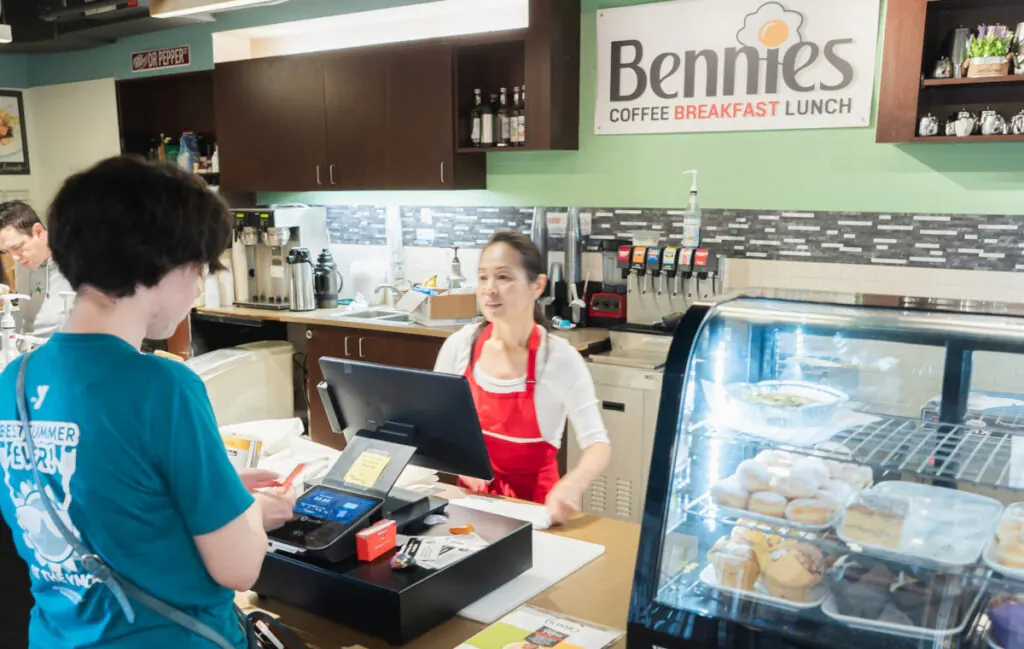

There is a particular feeling that only a good neighborhood cafe can create. It is not just comfort, and it is not just convenience. It is the sense that, for the next twenty minutes or two hours, you are exactly where you should be. In Monument, Colorado, that feeling carries extra weight. This is a town where mountain views, changing weather, military families, commuters, small business owners, retirees, and longtime locals all overlap in daily life. A cafe here does more than pour coffee. It becomes shared ground.
The best cafes in Monument understand something simple and surprisingly difficult to execute: people do not return only for a drink. They return for familiarity, for recognition, for the gentle structure that comes from being known without being pressed. A strong cappuccino matters. So does a warm scone, a clean table, and reliable Wi-Fi. But the deeper loyalty usually forms around subtler details, the kind owners and staff notice only after months or years of serving the same community.
In a place like Monument, where growth has changed the pace of life without fully erasing its small-town instincts, a local cafe often functions as a second living room. It catches people between school drop-off and work, between errands and appointments, between solitude and conversation. It is one of the few commercial spaces where lingering can still feel welcome. That is part of what makes a Cafe Monument, CO residents embrace so meaningful. The best ones do not just sell products. They lower people’s shoulders.
Familiarity starts before the first sip
Most customers decide how a place feels long before they taste the coffee. They notice the doorway, the smell, the sound level, the way the line moves, and whether the room signals that they need to hurry or can stay a while. Good cafes shape those first ten seconds carefully.
In Monument, where winters can be sharp and windy and afternoon weather can shift fast, a sense of home often begins with literal shelter. A warm room after a cold parking lot matters. So does a practical layout that lets people enter without colliding with those waiting for drinks. Benches, hooks for coats, a place to set gloves or bags, and seating that works for one person as well as four, these are not glamorous design choices, but they shape how welcome a guest feels.
Lighting plays a larger role than many owners realize. Bright enough to read and work, soft enough to flatter faces and invite conversation, that balance is harder to achieve than buying trendy fixtures. Cafes that feel home-like usually avoid extremes. They do not blast overhead light Cafe Monument, CO across every surface, and they do not make customers squint into shadow. In Colorado, where sunlight can be intense even in colder months, a thoughtful room often makes good use of natural light without letting the space feel exposed.
The same principle applies to music. The strongest cafe environments treat music as atmosphere, not performance. Customers should not have to compete with speakers to talk with a friend or focus on a laptop. In smaller towns, where many guests know one another, conversation becomes part of the room’s identity. A cafe that leaves space for that earns trust quickly.
Staff set the emotional temperature
Design can attract people once. Staff bring them back.
If you spend time in local cafes, you start to notice that the most beloved places rarely rely on polished scripts. Instead, they develop a style of hospitality that feels observant and unforced. Baristas learn names, yes, but they also learn rhythms. They remember who wants ten quiet minutes before chatting. They know which regular always asks for an extra cup of hot water, which parent needs a drink made quickly before school pickup, which remote worker camps at the same corner table on Thursdays.
This is where the sense of home becomes real. Home, at its best, is the place where you do not need to explain yourself from scratch every time you walk in. A strong cafe offers a lighter version of that same ease. It does not demand intimacy, but it makes familiarity available.
That balance matters. There is a fine line between warmth and overfamiliarity, especially in a town where some people treasure anonymity as much as connection. Military families relocating to the area, new residents still finding their footing, and people simply trying to get through a difficult week may want kindness without a lot of questions. Skilled staff can read that. They know when to linger for a quick exchange and when to let a customer settle in peace.
From an operational standpoint, this takes training, maturity, and consistency. Friendly service is not enough. A team has to communicate well, handle rushes without panic, and recover gracefully when things go wrong. Nothing ruins a home-like atmosphere faster than visible tension behind the counter. Customers notice when staff are snapping at each other, confused about orders, or working without support. By contrast, calm teamwork creates a feeling of safety. People relax when the room seems competently held.
Small rituals make a place stick
Home is built through repetition. Cafes that become part of daily life usually create small rituals customers come to count on.
Sometimes the ritual is personal. A regular arrives at 7:15, orders the same drink, and exchanges a brief joke with the barista. Sometimes it is communal, like the slow increase in conversation after the morning rush or the gentle lull between lunch and school pickup. These patterns may seem ordinary from the outside, but they are exactly what anchors a place in memory.
The strongest neighborhood cafes tend to excel in a few specific areas:
- They deliver consistent drinks and food, even on busy days.
- They make room for different kinds of customers without making the space feel fragmented.
- They recognize regulars while still welcoming first-time visitors.
- They maintain clean, comfortable spaces that invite people to stay.
- They let the local community shape the atmosphere over time.
Consistency deserves special emphasis. Customers forgive an occasional delay far more readily than they forgive a drink that changes every visit. When people fold a cafe into their weekly routine, they are trusting it with part of their day. A latte that is excellent on Monday and disappointing on Wednesday subtly breaks that trust. In my experience, many cafes focus heavily on visual branding and not enough on repeatable execution. The places that feel like home understand that reliability is a form of care.
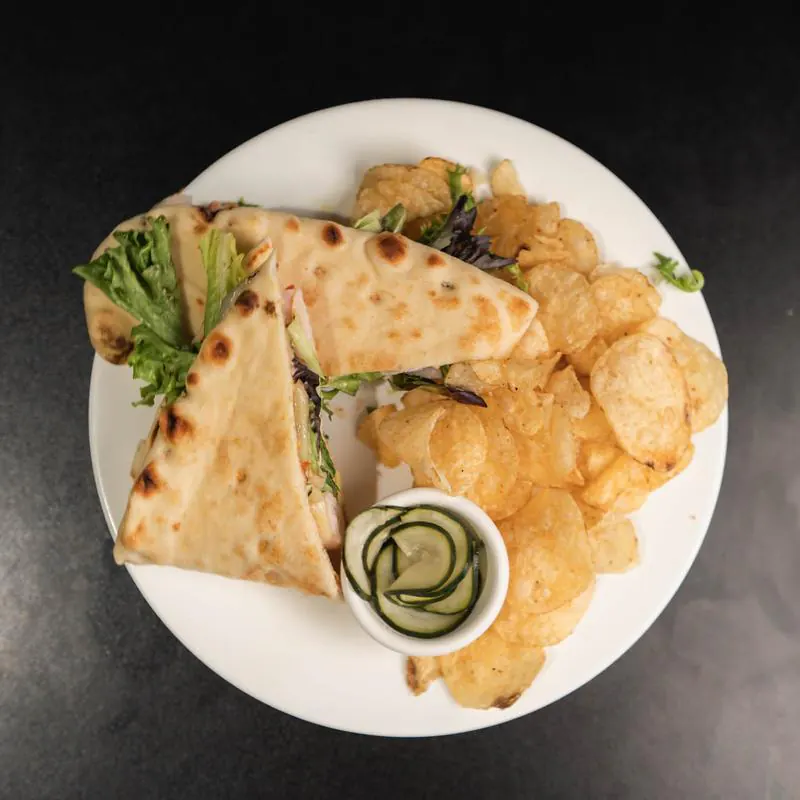
Food matters here too, often more than owners expect. Not every neighborhood cafe needs an expansive kitchen, but it should offer something that feels considered, whether that is a well-baked pastry, a breakfast item that does not taste mass-produced, or a few simple savory options that hold up during a busy morning. People settle in longer when they know they can stay through a second coffee and a light meal.
The room has to welcome more than one kind of life
One reason cafes in Monument can feel unusually home-like is that they often serve a remarkably mixed crowd. On a typical morning, you may see parents after drop-off, contractors grabbing coffee before heading to a job site, retirees meeting friends, professionals taking remote calls, cyclists stopping in after a ride, and teenagers splitting a snack after school. That mix creates energy, but it also creates tension if the room is not designed to absorb different uses.
A cafe that only works for laptop users will eventually frustrate families. A place built entirely for quick turnover may lose the customers who would otherwise become loyal regulars. Home-like spaces usually land somewhere in the middle. They offer a few tables suited for work, a few that encourage conversation, and a general tone that says both are acceptable.
Seating variety helps. A bar by the window can give solo customers a comfortable perch without taking up a four-top. Softer chairs in a corner can draw people who want to read or catch up with a friend. Standard café tables support eating, working, and casual meetings. None of this is revolutionary. What matters is whether the room allows customers to choose how they want to occupy it.
Noise control is another practical piece of the puzzle. Hard floors, bare walls, and high ceilings may photograph well, but they can make a cafe feel exhausting in real life. Spaces that feel home-like usually include textures that absorb sound, wood surfaces, upholstered seating, rugs, curtains, acoustic panels, or simply enough visual softness to keep the room from echoing. In a mountain-adjacent town like Monument, natural materials often feel especially fitting because they connect indoor comfort with the landscape outside.
Local identity matters more than trendiness
The cafes that become beloved in smaller communities rarely succeed by chasing every national trend. People can spot a borrowed identity quickly. A cafe feels like home when it reflects the place it is in, not when it could just as easily be dropped into any suburb in the country.
That does not mean a local cafe has to lean into clichés. It does not need antlers on the wall or faux-rustic slogans to prove it belongs in Colorado. In fact, forced theming often works against the sense of home because it feels performative. What resonates more is quieter alignment with local life: practical hours, menu items people genuinely want, friendly flexibility, and a design sensibility that makes sense for the climate and the community.
Monument sits in a distinctive pocket between small-town habits and Front Range growth. Residents often want quality and character, but they also value straightforward service and spaces that do not feel precious. A cafe in Monument, CO can win people over by understanding that reality. If the room is beautiful but the service feels aloof, it will struggle. If the coffee is serious but the atmosphere feels judgmental, many customers will simply move on. Home-like places remove that friction. They let people participate at their own level, whether they care deeply about single-origin espresso or just want a hot cup and a comfortable chair.
Weather, pace, and geography all shape the experience
Monument’s setting matters more than it may seem. The climate and geography influence how people use cafes throughout the year. On cold mornings, cafes become warming stations. During snow, they can feel like neighborhood refuges, the kind of places where customers arrive pink-cheeked and grateful. In summer, shaded patios and cold drinks extend their role as casual gathering spots. During shoulder seasons, when weather flips quickly, a dependable cafe offers continuity.
This seasonal rhythm is one reason people often speak affectionately about their favorite local spots. The memory of a cafe accumulates across conditions. Someone remembers stopping in after a hike, meeting a friend on a gray February afternoon, grabbing breakfast before a long drive south, or sitting with a notebook during an unexpected storm. Those moments deepen the sense that the space belongs to everyday life, not just consumption.
Commuter patterns matter too. Many Monument residents travel to Colorado Springs or work flexible schedules. A good cafe can catch these transitions. Early open hours support commuters. Midmorning calm serves locals with more time. Afternoon snacks bring in students and families. A place that understands these rhythms can feel almost choreographed to the town around it.
The trade-offs owners have to manage
Creating a sense of home sounds warm and intuitive, but from an operator’s standpoint it involves real trade-offs. Every welcoming feature has a cost. Comfortable seating slows turnover. Cafe Monument, CO Friendly conversation can lengthen lines. Spacious layouts reduce seat count. High-quality ingredients raise menu prices. Longer hours improve convenience but strain staffing.
Owners have to make judgment calls constantly. A cafe cannot be everything to everyone, and trying to please every use case often weakens the identity of the place. One of the most important decisions is deciding what kind of welcome the business wants to offer. Is it primarily a quick stop with excellent coffee and a few seats, or is it intentionally a place to linger? Both models can work. Problems start when the physical space, staffing, and pricing do not match the expectation being set.
There is also the question of boundaries. A home-like atmosphere should not mean staff are expected to absorb unlimited emotional labor, tolerate rude behavior, or allow one customer to dominate the room. The healthiest cafes create warmth while keeping clear standards. They manage noise, protect employees, and maintain a clean, respectful environment. Customers usually feel that structure, even if they could not describe it directly. Ironically, the places that feel most relaxed are often the ones with the clearest operating discipline behind the scenes.
Why regulars matter, and why newcomers matter just as much
Every cafe wants regulars, but there is a subtle risk in relying too heavily on them. A place can become so inward-facing that first-time visitors feel like they have walked into someone else’s private club. That is the opposite of home.
The best cafes in Monument seem to avoid that trap by practicing a kind of open familiarity. Regulars are known and appreciated, but the room still feels accessible. New customers are not left hovering awkwardly at the register. Menus are readable. Processes are clear. No one is made to feel behind for not knowing the local rhythm.
That balance is particularly important in a town that continues to attract newcomers. People who have recently moved to the area often use local cafes as low-pressure entry points into community life. They can overhear the town’s pace, notice event flyers, meet neighbors, or simply start recognizing faces. Over time, the cafe becomes one of the first places where Monument stops feeling new and starts feeling lived in.
A genuinely welcoming Cafe Monument, CO residents recommend tends to serve both groups well. It rewards loyalty without weaponizing familiarity. That is harder than it sounds. It depends on staff awareness, physical layout, and a culture that values inclusion more than insider status.
Home is sensory, social, and practical all at once
People often talk about atmosphere as if it were something mystical. Usually, it is much more concrete. A place feels like home because many practical decisions have been made well and sustained over time.
A home-like cafe usually offers a combination like this:
- A room that is comfortable in different seasons and at different times of day.
- Staff who are attentive without being intrusive.
- Food and drinks that are dependable, not just photogenic.
- Seating and sound levels that support both solitude and conversation.
- A local identity that feels honest rather than manufactured.
None of those qualities is dramatic on its own. Together, they create emotional durability. Customers stop seeing the cafe as an errand and start seeing it as a place in their personal map of town. That shift is powerful. It turns a transaction into a habit, and a habit into attachment.
What people are really looking for
Underneath the coffee preferences and seating choices, most people are looking for a version of the same thing. They want a place where they can arrive as they are. Some days that means productive and alert, laptop open, list in hand. Other days it means tired, distracted, under-caffeinated, and not especially interested in making decisions. A good cafe can absorb both.
That may be why cafes hold such a distinct place in towns like Monument. They are public spaces with a private feeling. They ask little of people beyond basic courtesy and payment, yet they often return more than expected. They provide rhythm. They soften isolation. They offer a modest but real kind of belonging.
When a cafe gets this right, people notice, even if they do not have the language for it. They just say they love the place. They bring a friend next time. They stop in on difficult mornings. They choose it for a first meeting, a quiet hour, or a small celebration. Months later, they are still coming back, not because every visit is extraordinary, but because the place has earned a role in ordinary life.
That is what a sense of home looks like in a cafe. It is built cup by cup, greeting by greeting, season by season. In Monument, where community still matters and daily routines still carry local texture, that kind of place does more than serve coffee. It helps knit the town together.
Bennies Cafe
17230 Jackson Creek Pkwy Ste 100, Monument, CO 80132
+1 719-445-0660
FAQ About Cafe Monument, CO
What is considered a café?
A café is generally an informal place to enjoy refreshments and a meal. Bennies Cafe in Monument serves breakfast and lunch in a counter-service setting, with options including eggs Benedict, sandwiches and crepes. Guests can eat in or arrange pickup.
What is the difference between a coffee shop and a café?
The terms often overlap. A coffee shop usually emphasizes coffee and other drinks, while a café may offer a broader food menu. Check the individual establishment's menu rather than relying on its name. Bennies Cafe offers coffee drinks alongside breakfast and lunch dishes.
What is the difference between café and coffee?
In everyday English, a café is a place where people buy food and drinks, while coffee is the beverage. The word café comes from the French word for coffee. Bennies Cafe serves options such as brewed coffee, espresso and lattes as part of its drinks menu.