Why Your Cafe Needs a Strong Social Media Presence
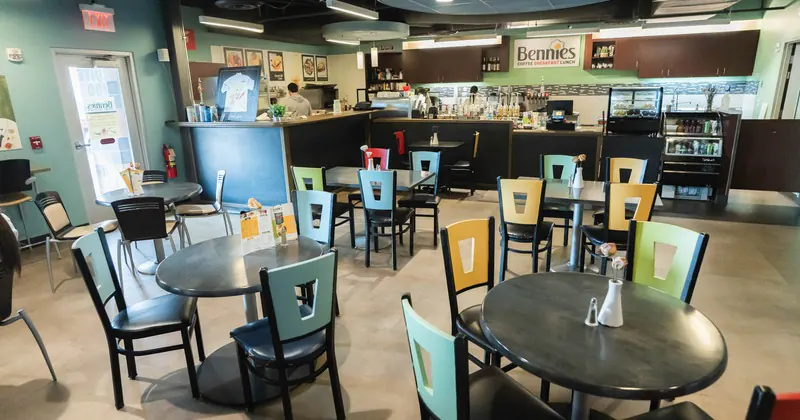
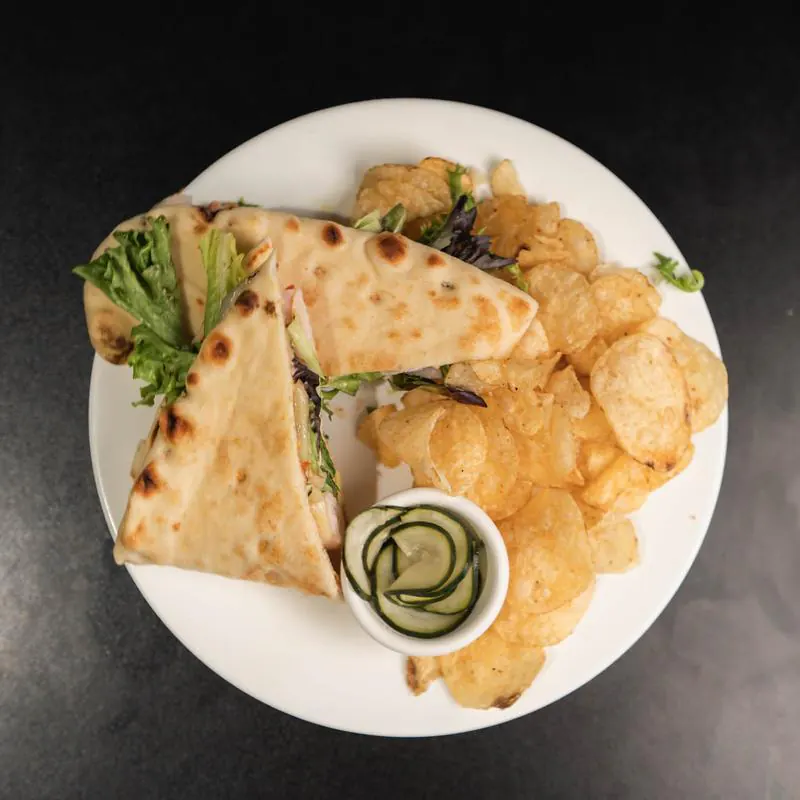

A cafe can serve excellent coffee, train staff well, source beautiful pastries, and still struggle to grow if too few people know it exists. That is the hard truth for hospitality businesses. Quality matters, but visibility matters too. For many customers, social media is now part of the path to purchase. They discover a new place on Instagram, check opening hours on Facebook, glance at Google reviews, and decide within seconds whether your cafe feels worth the trip.
That decision is rarely based on one factor alone. People respond to a mix of signals: atmosphere, menu, consistency, popularity, convenience, and trust. A strong social media presence helps shape all of those signals before a guest ever walks through the door. It gives your cafe a living storefront beyond the street outside, one that works in the quiet hour before opening and late at night when someone is deciding where to meet a friend the next morning.
Owners sometimes treat social media as an optional extra, something to post on when there is time. In practice, it behaves more like basic operations. Not because every cafe needs to dance for the algorithm, but because customers use these platforms as a practical tool. They want to know whether you are open, whether the space looks comfortable, whether the food is fresh, whether the coffee appears carefully made, and whether other people enjoy being there. Your social presence answers those questions quickly, often more convincingly than a website alone.
Your digital storefront is working before your front door opens
A physical storefront matters because people make judgments from the outside in. Clean windows, warm lighting, and a visible queue all suggest quality. Social media plays a similar role. It creates a first impression long before someone smells the espresso or hears the milk steaming.
Think about how often a potential customer searches for “best brunch near me” or taps a location tag while exploring a neighborhood. They are not reading a business plan. They are scanning photos. They are checking whether your scones look fresh at 8:30 a.m., whether the room feels bright enough for a casual meeting, whether your tables are cramped, whether your latte art looks deliberate rather than accidental. They want evidence that the visit will match the time and money they spend.
This is especially important for independent cafes. Chains have brand recognition built in. A local cafe has to build confidence through smaller but more personal signals. A well-run social account can close that trust gap fast. A gallery of real drinks, real staff, regular customers, seasonal specials, and current opening hours reduces friction. It makes the business feel active and cared for.
I have seen cafes spend heavily on interior design while neglecting the channels where most first-time customers actually meet them. The mismatch shows. Beautiful room, weak online presence, unclear updates, stale photos from two years Cafe ago. That creates doubt, even if the coffee is excellent. People often assume silence means inconsistency.
Discovery no longer depends on foot traffic alone
For decades, cafes relied heavily on location. If you sat near offices, a station, or a shopping street, you had a natural stream of trial customers. That still matters. But social platforms have changed the balance. A cafe tucked on a side street can now attract a strong following if it presents itself well. Someone may travel twenty minutes for a croissant that looks exceptional, a signature drink that photographs well, or a room that feels ideal for a slow Sunday morning.
This changes the economics of being a neighborhood business. Social media extends your reach beyond people who happen to walk by. It lets your regulars become your distribution channel. When someone posts their cappuccino, tags your location, and shares a pastry box for a team meeting, their followers see a personal recommendation, not an advertisement. That kind of exposure often outperforms paid promotion because it feels earned.
The most effective discovery does not always come from viral content. In fact, most cafes do not need viral attention. They need repeated local visibility. They need to appear consistently in the feeds of nearby residents, office workers, students, tourists, and food lovers who are likely to visit. A steady stream of modest exposure often beats one dramatic spike. A packed Saturday caused by a viral post is exciting. A reliable increase in weekday traffic is healthier.
People buy the experience before they buy the coffee
Hospitality is sensory and emotional. Customers are not only purchasing caffeine. They are buying a mood, a habit, a pause in the day, a place to talk, work, read, or recover. Social media is one of the few tools that can communicate that full experience at low cost.
A website can list your menu and address. Social content can show the sunlight across the window at 9 a.m., the baker glazing buns before service, the barista who remembers names, the lunchtime rhythm, the shelf of retail beans, the dog tied outside while its owner grabs a flat white. Those details matter because they help people imagine themselves inside your cafe. Once people can picture themselves there, the leap from interest to visit gets much smaller.
This is why polished but generic content often underperforms. A close-up of a latte in perfect light may look nice, but if every other cafe posts the same thing, it says very little. The posts that tend to build attachment are the ones with specificity. Your pistachio bun that sells out by noon. Your rainy-day soup special. Your tiny courtyard table that regulars ask for by name. Your Saturday queue before the farmers market opens. Distinctive details make the business memorable.
Social proof is no longer optional
When people choose a cafe, they look for reassurance from other people. This is not new behavior, but digital platforms have made it visible and immediate. Tagged photos, comments, reviews, story mentions, and user-generated posts all function as social proof. They tell a potential customer, “People go here, and they seem happy they did.”
For a cafe, social proof has unusual power because the purchase is frequent and low risk. People may try a new place on a whim if they see enough positive signals. That is very different from a major purchase where weeks of research are involved. A single good mention from a local creator, a cluster of favorable comments under a post, or a steady stream of customer stories can influence traffic within days.
It also affects how premium your business appears. If your feed is active, your tagged photos are recent, and customers naturally share their visits, your cafe looks in demand. That perception gives you room to defend your pricing. A $4 coffee can feel expensive in a shop that appears empty and invisible. The same coffee can feel fair in a place that looks loved, busy, and consistent.
Of course, social proof cuts both ways. An abandoned account, unanswered comments, or a flood of outdated holiday posts in spring can quietly signal neglect. Customers notice these things more than owners expect.
Social media helps small cafes compete without huge budgets
Independent operators rarely have the marketing budget of larger hospitality groups. That is exactly why social media matters. It rewards clarity, consistency, and personality more than pure spending power. A cafe with a smartphone, decent natural light, and a clear sense of identity can often outperform a better funded competitor with bland content.
That does not mean it is free. Time is a real cost, and many owners underestimate it. Someone has to capture content, write captions, respond to messages, update hours, and maintain standards. Still, compared with print campaigns, outdoor signage, or broad digital ads, organic social can be a very efficient tool.
A local cafe can also target its efforts with far more precision than older forms of advertising allowed. If your afternoon traffic is weak, you can promote your quieter hours through stories and reels. If corporate catering is growing, you can show pastry boxes, meeting platters, and office delivery setup. If retail beans are a priority, you can educate customers about brew methods and origin stories. The channel adapts to the need.
What customers actually look for on a cafe account
Owners sometimes assume followers want constant promotions. In reality, most people are scanning for useful reassurance. They want freshness, atmosphere, and clarity. They want to know whether your cafe fits the moment they have in mind.
The strongest cafe accounts usually communicate a handful of things again and again, in different forms:
- what the space feels like
- what is worth ordering right now
- whether the business is active and reliable
- who the people behind the counter are
- why this cafe is different from the one two blocks away
That may sound simple, but many accounts miss it. They post only polished food photos without showing the room. Or they post only staff portraits without making the menu look appealing. Or they share beautiful content while forgetting practical details like holiday hours, Wi-Fi availability, or whether dogs are welcome outside. A strong presence balances mood with usefulness.
The right content can improve real business metrics
A good feed is not vanity. It can affect revenue, average order value, repeat visits, and operational efficiency.
Take seasonal launches. If your cafe introduces a new drink, social media creates anticipation before stock hits the counter. Customers arrive already primed to try it. That improves sell-through and helps staff upsell with less effort. If you showcase whole cakes, pastry boxes, or bags of beans effectively, customers begin to associate your business with more than single-serve drinks. Average spend rises because people come in with a broader idea of what you offer.
It can also smooth demand across the day. Many cafes have clear peaks and troughs. Morning may be strong while mid-afternoon drags. Social stories are useful here because they feel immediate. A tray of warm cookies at 2 p.m. Or a quiet sunlit corner at 3 p.m. Can nudge local customers to visit during slower periods. This is practical marketing, not abstract branding.
There is also a staffing benefit. Cafes with a clear identity and attractive online presence often find it easier to recruit. Baristas and bakers want to work somewhere that appears professional, busy, and proud of its product. In a competitive labor market, that matters more than many owners realize.
A neglected account sends the wrong message
Hospitality businesses are judged on consistency. If your cafe says it opens at 8 a.m., customers expect the doors open at 8 a.m. If your online channels look half maintained, people may assume the rest of the operation is similarly uneven.
This is where many businesses go wrong. They create an account, post intensively for a month, then drift. The result is worse than modest consistency. A profile full of stale promotions suggests disorganization. If your last visible post says “Happy New Year” and it is April, customers may wonder whether you are even open. If comments asking about dairy-free options go unanswered, people may conclude you do not pay attention.
A strong presence does not require daily posting, but it does require reliability. Two or three thoughtful posts a week, regular stories, prompt replies, and updated information can outperform a chaotic burst of content followed by silence.
The best cafe accounts feel local, not generic
One of the most valuable things social media can do for a cafe is strengthen its local identity. That is where independent businesses can shine. A cafe is not just a place to buy coffee. At its best, it is part of a neighborhood rhythm. It becomes where runners stop after the park, where parents meet after school drop-off, where freelancers settle in on Tuesdays, where nearby shop owners grab lunch, where tourists discover a corner that feels authentic rather than manufactured.
Content that reflects this local role tends to resonate more deeply than broad, trend-chasing material. Show the rainy morning queue. Mention the market across the street. Celebrate the regular who has visited every Friday for five years, with permission and tact. Collaborate with the florist next door or a local ceramicist whose cups you stock. These details root your cafe in a real place, and that makes the business more defensible.
Trends can help, but they should serve the brand rather than replace it. There is nothing wrong with participating in a popular format if it suits your voice. The problem starts when every post looks borrowed. Customers can feel the difference between a cafe with character and one that is only copying what performed elsewhere.
Paid social has a place, but it works best after the basics are strong
Some owners hope paid ads will solve weak traffic quickly. Sometimes they help, especially for launches, special events, catering, or a new location. But paid reach is not a shortcut around poor positioning. If your account has weak photos, unclear messaging, or no visible customer engagement, advertising will only send more people to the same underwhelming impression.
The better sequence is usually this: establish a clear identity, build a baseline of organic content, make practical information easy to find, and then use paid support for specific goals. A weekend brunch launch. A Mother’s Day pre-order campaign. A holiday gift box. A catering push toward nearby offices. These are focused uses of spend, and they tend to be easier to measure.
For a single-site cafe, even modest spend can be enough if the creative is strong and the targeting is local. You are not trying to reach a nation. You are trying to stay visible to the people most likely to walk through your door this week.
Common mistakes that quietly cost cafes customers
The biggest mistakes are rarely dramatic. They are small habits that create friction over time. Poor lighting in photos makes food look flat. Overdesigned graphics feel detached from the real in-store experience. Captions that sound corporate erase warmth. Inconsistent posting breaks momentum. Ignoring direct messages loses catering inquiries or reservation questions. Not tagging your location reduces discoverability. Posting only products and never people makes the cafe feel less human.
Another common problem is trying to appeal to everyone. A cafe that serves busy commuters at 7 a.m. And relaxed weekend brunch guests at 11 a.m. May need to show different sides of the business, but it still needs one recognizable identity. Without that, the account becomes a random collection of drinks, staff photos, dog pictures, and promo graphics. Nothing ties together. The result is forgettable.
There is also a temptation to chase perfection. Owners delay posting because the pastry case was not styled exactly right or the weather was poor. In hospitality, timeliness often beats polish. A warm, honest story about fresh cinnamon rolls at 8:15 a.m. Can do more business than a carefully edited image posted three days later.
You do not need a huge strategy deck, but you do need discipline
The cafes that perform best on social media usually do a few practical things well. They make content capture part of the routine rather than a separate project. Someone photographs the first tray of pastries while they still look pristine. Someone takes a ten-second video when latte art is particularly sharp. Managers note customer questions that come up often, then answer them in stories or posts. The process is woven into service, not bolted on awkwardly at the end.
A workable rhythm might include fresh product shots early in the day, behind-the-scenes snippets a few times a week, staff or regular-focused posts when appropriate, and regular updates around specials and seasonal changes. The exact cadence matters less than maintaining it. Once customers learn that your account reflects what is happening now, they start checking it with intent.
What to measure if you want social media to earn its keep
Follower count gets too much attention because it is visible and easy to compare. For a local cafe, it is far from the only useful measure. A smaller but local and engaged audience can be far more valuable than a larger one scattered across regions that will never visit.
The signs worth watching are more concrete:
- reach within your local area
- saves and shares on menu or seasonal posts
- direct messages and clicks for practical questions
- tagged customer content and review volume
- traffic or sales lifts tied to specific promotions
The point is not to turn a cafe into a spreadsheet. The point is to connect effort to business reality. If a story about fresh focaccia leads to same-day sellout, that matters. If a post about catering drives three office inquiries, that matters. If reels get views from far outside your market but do not increase local footfall, you may need a different approach.
The human side is your advantage
Large brands can buy reach. Independent cafes can create connection. That difference is more valuable than it sounds. Customers remember warmth. They remember a barista who explains a guest roast without sounding rehearsed. They remember seeing the same faces online and in store. They remember that the cafe answered a message quickly and held aside a loaf for pickup. Social media, at its best, extends that hospitality beyond the counter.
This is why staff should not be treated as props in content. If you feature your team, do it with respect and authenticity. Let them speak in their own voice when appropriate. Show craft, not just poses. A short clip of a baker finishing fruit tarts or a barista dialing in espresso says more about standards than a dozen generic slogans ever could.
Customers are increasingly good at detecting performance without substance. They respond better when the online personality matches the real place. If your cafe is calm and understated, your content can be calm and understated. If it is lively and neighborhood-driven, let that energy come through. Alignment matters more than trying to look like the most popular account in your city.
A strong social presence protects the business when conditions change
Cafe trade can be fragile. Weather shifts footfall. Roadworks disrupt access. Office occupancy changes. Competitors open nearby. Costs rise. Consumer habits move. A strong social media presence gives you a direct line to your customer base when conditions become less predictable.
If heavy rain slows walk-ins, you can push same-day bakery boxes or a quiet indoor atmosphere. If a nearby event brings traffic, you can signal extended hours or a limited menu designed for speed. If construction blocks your front entrance, you can quickly show customers the easiest alternate route. During difficult periods, that agility matters.
It also helps preserve loyalty when customers have more options. If three new coffee spots open within walking distance, the cafe with the strongest relationship to its community usually holds up better. People do not only return for the product. They return for familiarity, trust, and the feeling of belonging somewhere. Social media can reinforce that feeling between visits.
Why this matters more than many owners think
For a cafe, marketing is often mistaken for something separate from operations. In reality, the line is thin. Every post about a seasonal tart reflects product quality. Every story reply reflects service standards. Every menu photo reflects attention to detail. Every update about opening hours reflects reliability. Social media is not just promotion. It is evidence.
That is why a strong social media presence deserves real attention. Not because every cafe must become a content studio, but because customers now use these platforms as part of how they choose where to spend their time. If your cafe is thoughtful, welcoming, and well run, your online presence should make that visible. Otherwise, you are asking people to discover your strengths by chance, and chance is an expensive strategy in hospitality.
A well-managed account will not fix bad coffee, slow service, or a confused concept. But when the fundamentals are solid, it can amplify them powerfully. It can turn first-time visitors into regulars, regulars into advocates, and a good neighborhood cafe into one people go out of their way to visit. That is not fluff. For many businesses, it is the difference between being quietly good and being consistently busy.
Bennies Cafe
17230 Jackson Creek Pkwy Ste 100, Monument, CO 80132
+1 719-445-0660
FAQ About Cafe
What is considered a café?
A café is generally an informal place to enjoy refreshments and a meal. Bennies Cafe in Monument serves breakfast and lunch in a counter-service setting, with options including eggs Benedict, sandwiches and crepes. Guests can eat in or arrange pickup.
What is the difference between a coffee shop and a café?
The terms often overlap. A coffee shop usually emphasizes coffee and other drinks, while a café may offer a broader food menu. Check the individual establishment's menu rather than relying on its name. Bennies Cafe offers coffee drinks alongside breakfast and lunch dishes.
What is the difference between café and coffee?
In everyday English, a café is a place where people buy food and drinks, while coffee is the beverage. The word café comes from the French word for coffee. Bennies Cafe serves options such as brewed coffee, espresso and lattes as part of its drinks menu.